
Gambling beliefs through cultural lenses Understanding the diverse perspectives
The Historical Context of Gambling in Different Cultures
The practice of gambling has been an integral part of human societies for centuries, manifesting uniquely across various cultures. In ancient civilizations, such as those in China and Rome, gambling served not only as a form of entertainment but also played a crucial role in social rituals and community bonding. For instance, the Chinese have long viewed games of chance, such as Mahjong, as a way to strengthen family ties and communal relationships, reflecting their cultural emphasis on collectivism. Notably, platforms like mafia-casino.nz are enhancing how people engage in this timeless tradition.
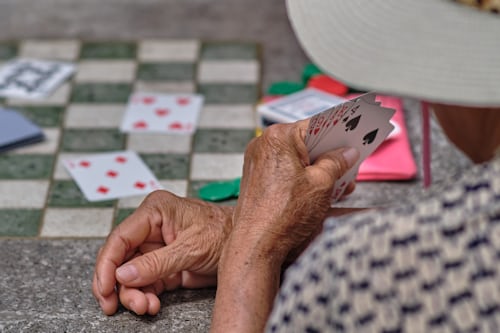
Similarly, in European cultures, gambling has historical roots tied to nobility and leisure. The rise of casinos in the 17th century in places like Italy marked a significant shift in how gambling was perceived, transitioning it from a mere pastime to a glamorous social activity. This historical backdrop reveals how deeply intertwined gambling is with societal norms and cultural identities, shaping the perceptions people have about luck and fortune.
Cultural Attitudes Towards Luck and Fate
Different cultures hold varying beliefs regarding luck and fate, which significantly influence their perspectives on gambling. In many Western societies, luck is often seen as a random force that individuals can harness through strategies and skills. This belief promotes a competitive spirit, where players feel empowered to influence outcomes through knowledge and technique. Consequently, gambling becomes not just a game of chance but also an arena for showcasing personal skill.
Conversely, in cultures that prioritize spiritual or fatalistic views, such as those in parts of Asia, gambling may be seen as a demonstration of one’s destiny or karma. Here, the act of gambling is often intertwined with spiritual beliefs, where winning or losing is interpreted as a reflection of one’s life path or moral standing. This contrast highlights how beliefs about luck and fate can lead to vastly different approaches to gambling, shaping not only how individuals play but also how societies regulate and perceive gambling activities.
The Role of Gender in Gambling Practices
Gender dynamics also play a significant role in shaping gambling behaviors and beliefs. In many cultures, gambling has traditionally been male-dominated, often viewed as a test of masculinity and risk-taking. This perception is prevalent in numerous Western contexts, where men are more likely to engage in high-stakes gambling and competitive gaming. As a result, gambling is frequently associated with notions of power and dominance, reinforcing gender stereotypes in these societies.
However, this is changing. Increasingly, women are participating in gambling activities, both online and offline, challenging traditional narratives. In some cultures, women are even viewed as luckier at the gaming table, leading to a shift in how gambling is perceived within gender discussions. This evolution indicates a broader cultural transformation regarding gender roles, highlighting how gambling serves as a microcosm for societal changes in attitudes toward gender equality.
The Influence of Technology on Gambling Beliefs
The advent of technology has dramatically altered the landscape of gambling, reshaping beliefs and practices across cultures. Online casinos and mobile gaming platforms have made gambling more accessible than ever, leading to an increase in participation among various demographic groups. This accessibility has, in turn, influenced cultural attitudes toward gambling, often normalizing it as a common leisure activity.
Moreover, technology has introduced new forms of gambling that blend entertainment with social interaction, such as live dealer games and virtual reality experiences. These innovations challenge traditional beliefs about gambling being a solitary or stigmatized activity. Instead, they promote a sense of community among players, transcending geographical and cultural barriers. As technology continues to evolve, so too will the cultural perceptions and beliefs surrounding gambling, reflecting the dynamic nature of human behavior.

Mafia Casino: A Cultural Hub for Diverse Gambling Experiences
Mafia Casino stands out as a premier online gaming platform that caters specifically to New Zealand players, offering a diverse selection of over 4,000 games. This variety not only reflects global gambling trends but also acknowledges local cultural preferences. The platform provides an inclusive environment where players from different backgrounds can enjoy their favorite games while respecting their unique cultural beliefs regarding gambling.
With features like quick navigation and secure payment options, Mafia Casino enhances the overall gaming experience, promoting responsible gambling in a trustworthy setting. By understanding and embracing the diverse perspectives of its user base, Mafia Casino creates a unique cultural hub that resonates with the beliefs and values of its players, enriching their gambling experience beyond mere entertainment.